Weld Inspection System: Advanced AI for Accurate Weld Quality

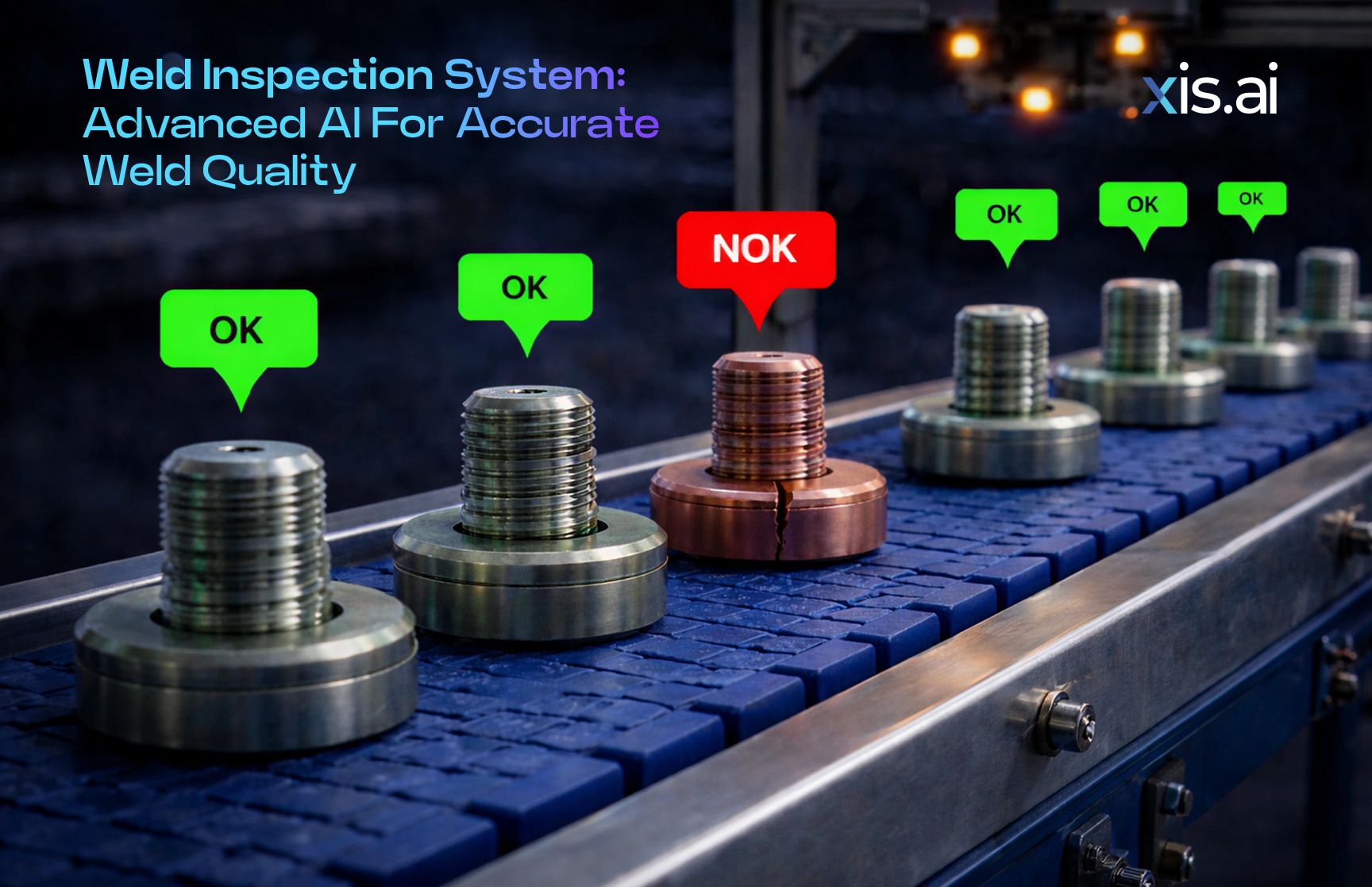
Ensuring flawless welds is vital in industries such as aerospace, automotive, shipbuilding, and heavy machinery. A modern weld inspection system powered by AI technology is transforming quality assurance by detecting defects faster, more accurately, and more consistently than traditional methods.
What Is a Weld Inspection System?
A weld inspection system is a technology-driven solution designed to assess welds for defects such as cracks, porosity, misalignment, and undercuts. Traditional manual inspections often rely on visual observation and ultrasonic tests, which can be slow, inconsistent, and prone to human error.
With automated weld inspection, manufacturers can perform real-time evaluations across production lines, ensuring uniform quality and compliance with international standards. Weld quality inspection systems also offer detailed reporting and analytics, enabling engineers to optimize welding processes and minimize waste. — a key part of modern quality engineering strategies discussed in the blog AI vs Manual Inspection: Accuracy, Speed, and ROI from xis.ai, which compares how AI significantly improves inspection outcomes over traditional approaches.
How Welding Defect Detection AI Works
Welding defect detection AI leverages machine learning algorithms trained on thousands of weld images and defect patterns. The AI system can:
- Scan welds in real-time using advanced imaging technologies such as X-ray, laser scanning, or high-resolution cameras.
- Detect and classify defects like cracks, porosity, incomplete fusion, or misalignment with high precision.
- Generate actionable reports instantly, allowing engineers to correct defects before the product moves further down the production line.
By combining automation with AI, a weld quality inspection system improves speed and accuracy while reducing reliance on manual inspections.
Advantages of Automated Weld Inspection
Investing in a weld inspection system offers several key benefits:
- Enhanced Accuracy: AI systems detect micro-defects often invisible to the human eye, ensuring higher reliability and safety.
- Faster Inspection: Real-time automated inspections accelerate production without compromising quality.
- Predictive Insights: Data from weld quality inspection systems supports trend analysis and predictive maintenance, reducing future failures.
- Cost Savings: Early detection of defects lowers scrap rates, rework, and production downtime.
- Compliance Assurance: Ensures adherence to industry standards, such as ISO 5817 for welding quality.
These advantages are part of a broader shift toward intelligent manufacturing. For a deeper look at how modern factories are being transformed by AI insights across all inspection types — not just welding — check out the XIS.ai article Emerging Trends in Industrial AI Inspection.
Key Considerations When Choosing a Weld Inspection System
Selecting the right weld inspection system is crucial for operational efficiency. Key factors include:
- Integration: The system should seamlessly fit into existing production lines.
- Detection Capabilities: It must identify all relevant defects accurately.
- Speed and Scalability: Essential for high-volume production environments.
- Analytics and Reporting: Provides actionable insights to refine welding techniques and prevent recurring issues.
- Ease of Use: Intuitive interfaces reduce the learning curve for operators.
A properly chosen weld quality inspection system enhances productivity, reduces errors, and supports long-term operational excellence.
Applications Across Industries
Automotive: Ensures consistent weld strength in chassis, exhaust systems, and structural components.
Aerospace: Detects micro-cracks in critical aircraft components, ensuring safety and reliability.
Shipbuilding: Evaluates large-scale welds on hulls and structural frameworks, where manual inspection is challenging.
Energy & Heavy Machinery: Maintains high-quality welds in pipelines, turbines, and industrial equipment, reducing downtime and safety risks.
Across all these sectors, automated weld inspection provides faster turnaround times and higher consistency, making it a vital tool for competitive manufacturing.
Future Outlook of AI in Weld Quality Inspection
The future of welding inspection lies in fully integrated smart manufacturing. Combining AI-powered welding defect detection with IoT sensors, robotics, and cloud analytics allows manufacturers to:
- Continuously monitor weld quality in real-time.
- Predict potential failures before they occur.
- Optimize production processes based on collected data.
This move toward predictive and adaptive manufacturing ensures higher efficiency, lower costs, and improved product reliability.
Frequently Asked Questions
1. Which industries benefit most from a weld inspection system?
Aerospace, automotive, shipbuilding, energy, and heavy machinery benefit due to stringent quality and safety requirements.
2. Can automated weld inspection replace human inspectors?
AI enhances accuracy and speed, but human oversight remains important for complex welds and system validation.
3. How accurate is welding defect detection AI?
Advanced AI can achieve over 95% accuracy in detecting cracks, porosity, and misalignment when properly calibrated.
4. Are weld quality inspection systems expensive?
While initial investment is higher, long-term cost savings from reduced defects and downtime justify the expense.
5. Can these systems integrate with existing production lines?
Yes, most modern weld inspection systems are designed for seamless integration with real-time monitoring and analytics capabilities.
Comment
0Comments
No comments yet.