AI Parcel Damage Detection for Smart Logistics and Warehouse Inspection

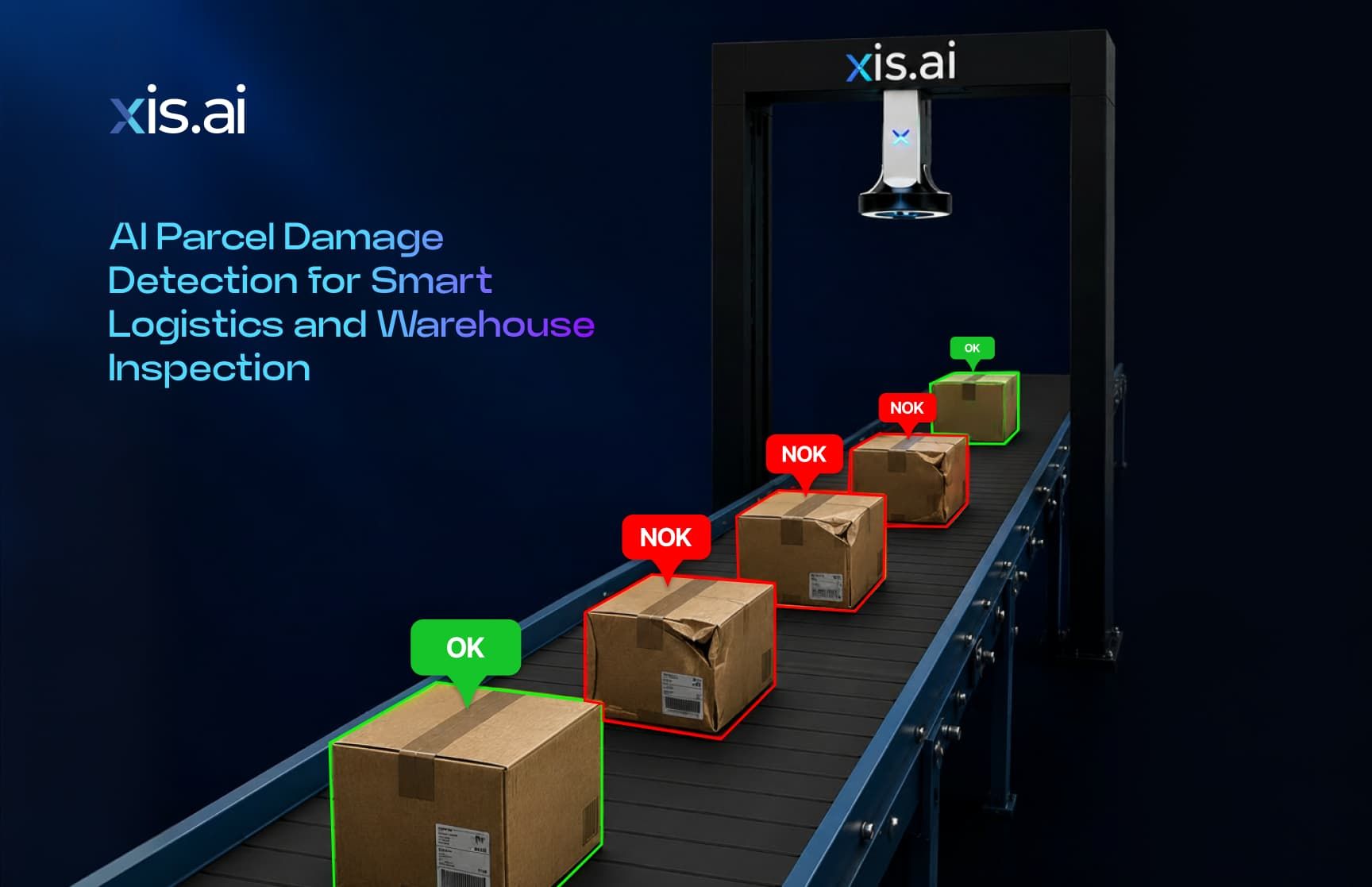
The rapid expansion of e-commerce has made logistics operations more complex. Distribution centers process thousands of parcels every hour. At the same time, customers expect faster deliveries, accurate tracking, and products that arrive in perfect condition.
Logistics providers have invested heavily in warehouse automation and supply chain optimization. Still, package integrity remains a critical challenge. A damaged parcel often leads to replacement shipments, customer complaints, returns processing, and operational delays. These directly affect profitability.
To address this, logistics companies are using AI-powered parcel damage detection systems. These systems identify packaging defects in real time and improve quality control for warehouse operations.
Why Parcel Damage Detection Is Critical for Logistics Operations
Package damage is often treated as a customer service issue, but its impact extends far beyond the final delivery stage.
A damaged shipment can create multiple operational challenges, including:
- Product replacement costs
- Reverse logistics expenses
- Claims processing and investigations
- Customer service workload
- Delivery delays
- Reduced customer trust
This is important for industries that ship high-value products, such as electronics, pharmaceuticals, consumer goods, and medical equipment. In these sectors, packaging directly protects product integrity during transportation.
For logistics providers operating at scale, preventing package damage before delivery is essential for operational efficiency.
Common Causes of Package Damage Across Warehouse and Distribution Networks
Manufacturing defects occur in controlled production environments. Package damage, however, can happen at many points during the logistics journey.
Parcels move through several operational stages. These include automated sorting systems, conveyor networks, warehouse handling operations, transportation hubs, and last-mile delivery processes.
At each stage, packaging may be exposed to:
- Compression damage
- Surface punctures
- Packaging tears
- Moisture exposure
- Label damage
- Impact-related deformation
As supply chains become more automated, monitoring package condition is now as important as tracking package location.
Why Manual Package Inspection Is No Longer Sufficient
Most warehouse facilities rely on manual inspection processes performed during sorting, handling, or shipment verification.
Human inspection is still useful for spotting visible defects. However, in high-volume logistics environments, it is hard to maintain consistency.
Manual inspection presents several limitations:
- High parcel volumes reduce inspection opportunities.
- Minor damage often goes unnoticed.
- Inspection standards vary between facilities.
- Repetitive inspection tasks create inconsistency.
As warehouse throughput rises, logistics providers need inspection systems capable of checking every package. They must do this without slowing operational workflows.
Similar challenges across industrial environments are accelerating the adoption of AI-powered visual inspection systems that improve the accuracy of defect detection while reducing reliance on manual quality checks.
How AI Improves Parcel Damage Detection in Real Time
Recent advancements in computer vision offer a scalable approach to AI for package inspection.
Instead of manual checks, AI-powered inspection systems analyze parcel images at critical points. This occurs throughout warehouse and distribution operations.
A modern AI inspection system can identify:
- Crushed corners
- Torn packaging materials
- The open package seems.
- Surface punctures
- Package deformation
- Label damage
- Signs of tampering
- Moisture-related packaging damage
Inspections happen automatically as packages move through workflows. Logistics providers can detect damaged shipments without disrupting warehouse operations.
This enables continuous quality monitoring across the entire logistics network.
AI-Powered Logistics Quality Inspection Creates Better Operational Visibility
The advantage of AI inspection extends beyond simply identifying damaged packages.
Each inspection event generates data. This data helps logistics providers see recurring issues affecting package quality.
For example:
- Repeated corner damage may indicate conveyor transfer issues.
- Frequent label damage may highlight sorting bottlenecks.
- Frequent package deformation may show handling mistakes in certain facilities.
This helps logistics teams identify root causes early. They can improve warehouse performance before problems impact more shipments.
Warehouse automation is advancing. Logistics quality inspection is now a vital part of supply chain optimization, not just a reactive process.
The Growing Role of AI in Warehouse Package Defect Detection
The World Bank Logistics Performance Index shows that operational efficiency and supply chain reliability are key to global logistics performance.
Distribution networks are becoming more complex. Technologies that improve package monitoring and traceability are now more valuable.
This shift accelerates the adoption of warehouse package-defect detection systems. These systems automate quality inspection in large-scale logistics operations.
Similar AI inspection technologies are also used in pharmaceutical packaging, manufacturing defect detection, and automated industrial quality control.
How xis.ai Supports AI-Based Parcel Damage Detection
xis.ai offers advanced computer vision solutions. These solutions automate inspection workflows in logistics, warehousing, and industrial settings.
For logistics providers with high parcel volumes, xis.ai enables real-time inspection systems. These identify package damage and keep operations efficient.
AI inspection capabilities can support:
- Parcel damage detection
- Package condition monitoring
- Label verification
- Tamper detection
- Automated warehouse inspection
- Logistics quality inspection
By embedding AI into logistics workflows, organizations can reduce claims. They can also improve the consistency of package handling and quality assurance across warehouses.
Businesses implementing intelligent inspection workflows are increasingly adopting computer vision for automated defect detection to improve operational accuracy across warehouse and manufacturing environments.
The Future of Smart Logistics Depends on Intelligent Package Inspection
As logistics networks expand, maintaining package integrity becomes increasingly important for performance and customer satisfaction.
Traditional inspection methods are still valuable. However, they often struggle to scale in high-volume warehouses that process thousands of shipments daily.
AI-powered damage detection is more proactive. It enables real-time package inspection, better warehouse control, and lower operational costs for damaged shipments.
For organizations building smarter logistics infrastructure, intelligent inspection systems are now a core part of modern supply chain operations.
Organizations exploring AI-driven warehouse automation can look at computer vision solutions. They can also request a consultation to explore applications for their logistics operations.
Frequently Asked Questions
What is parcel damage detection?
Parcel damage detection uses AI and computer vision to automatically identify damaged or compromised packages during warehouse and logistics operations.
How does package inspection AI work?
AI inspection systems analyze parcel images in real time to identify damage, including tears, punctures, crushed corners, and packaging deformation.
Why is logistics quality inspection important?
It helps reduce claims, improve customer satisfaction, maintain package integrity, and strengthen warehouse operational efficiency.
What types of package damage can AI detect?
AI systems can detect torn packaging, crushed boxes, damaged labels, punctures, moisture-related damage, tampering, and packaging deformation.
Can AI inspection systems integrate with warehouse operations?
Yes. AI-powered inspection systems can be integrated into conveyor systems, warehouse automation infrastructure, and distribution center workflows.
Comment
0Comments
No comments yet.