AI Fabric Inspection for Textile Quality Assurance

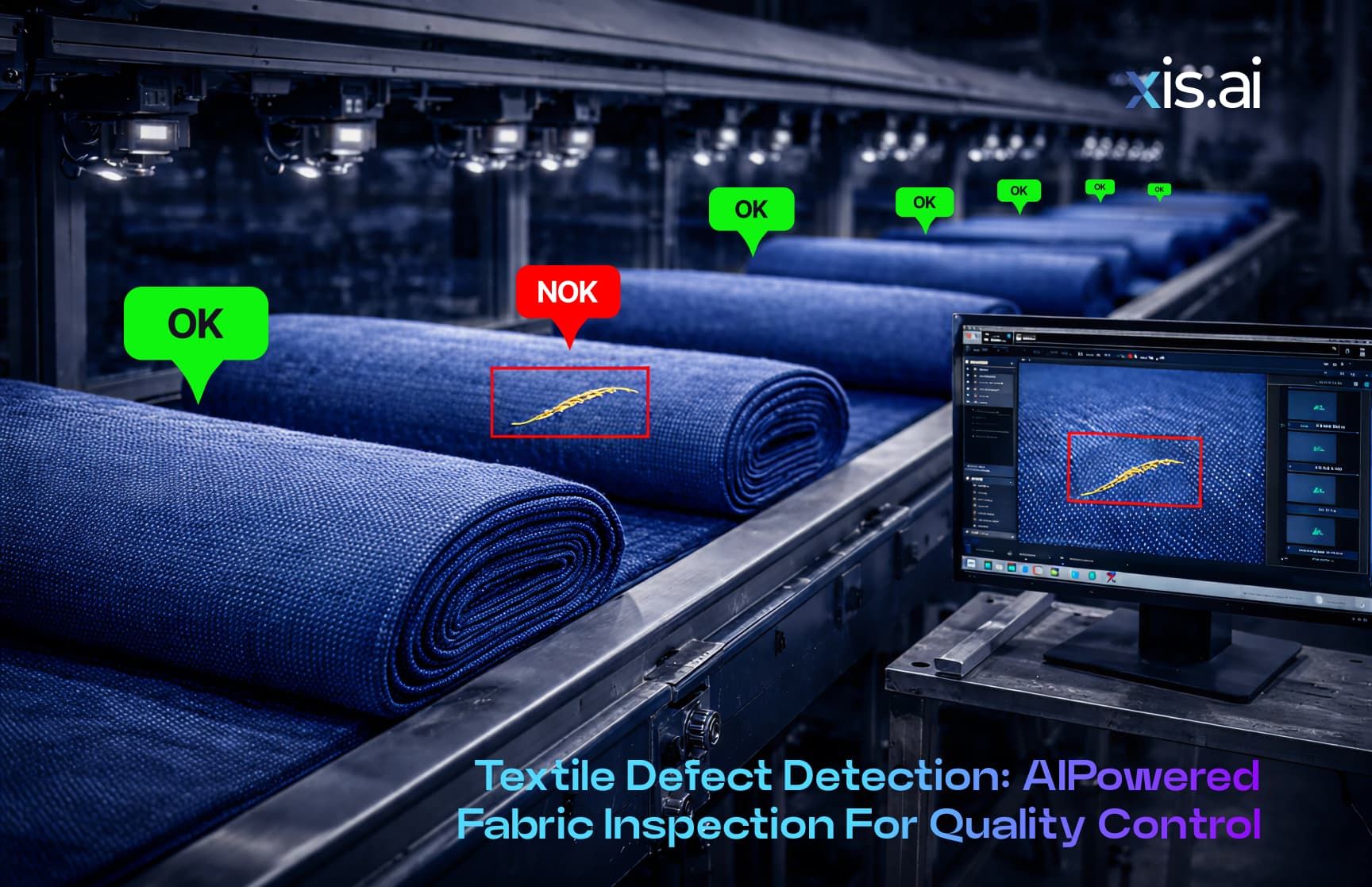
In today’s fast-paced textile industry, maintaining consistent fabric quality is becoming increasingly complex. Rising production speeds and strict quality standards demand smarter solutions. This is where textile defect detection powered by AI is redefining how manufacturers approach inspection and quality control.
Why Traditional Fabric Inspection Falls Short
Manual inspection has long been the standard for identifying fabric defects. However, it comes with clear limitations—human fatigue, inconsistency, and slower processing times. As production scales, these challenges lead to missed defects and increased waste.
By introducing fabric inspection system AI, manufacturers can shift from reactive inspection to proactive quality control. This transition enables real-time monitoring and significantly improves inspection reliability across production lines.
Inside AI-Powered Fabric Inspection
Modern fabric defect detection AI systems rely on computer vision and deep learning models trained on large datasets of textile patterns and defects. These systems operate continuously during production and perform multiple functions simultaneously:
- Capturing high-resolution images of fabric surfaces
- Detecting irregularities in texture, alignment, and color
- Classifying defects such as holes, stains, and weaving faults
- Sending instant alerts for corrective action
This intelligent automation ensures that defects are identified at the earliest stage, preventing defective materials from progressing further.
How Automation Improves Textile Quality Control
Textile quality control automation is not just about replacing manual inspection—it’s about improving the entire production ecosystem. With AI-driven inspection, manufacturers benefit from:
- Consistent detection accuracy across all production batches
- Reduced dependency on manual labor
- Faster inspection cycles without compromising quality
- Lower material waste and rework costs
- Improved traceability through digital reporting
These advantages become even more critical in high-speed environments. As explained in the XIS.ai blog AI for High-Speed Production Inspection, AI systems maintain precision even when production lines operate at maximum capacity.
Choosing the Right AI Inspection Setup
Selecting an effective fabric inspection system AI requires careful evaluation. Not all systems offer the same level of performance or adaptability. Key aspects to focus on include:
- Accuracy in detecting a wide range of fabric defects
- Ability to operate in real-time production environments
- Ease of integration with existing machinery
- Scalability across different fabric types and volumes
- Data analytics capabilities for continuous improvement
A well-implemented solution strengthens both operational efficiency and long-term quality performance.
Where AI Makes the Biggest Impact
AI-driven textile defect detection is already transforming multiple stages of textile manufacturing:
Weaving operations benefit from early detection of broken threads and pattern inconsistencies.
Dyeing and finishing processes gain better control over color uniformity and surface defects.
Garment production lines ensure only high-quality fabric moves into cutting and stitching stages.
Technical textile manufacturing achieves the precision required for specialized applications such as automotive and medical fabrics.
Across all these applications, textile quality control automation enables faster decision-making and improved production outcomes.
What Lies Ahead for AI in Textile Inspection
The future of fabric inspection is closely tied to smart manufacturing ecosystems. As AI continues to evolve, fabric defect detection AI systems will become more adaptive and predictive.
Manufacturers will be able to identify defect trends, prevent recurring issues, and continuously refine production processes using real-time data. Integration with IoT and smart factory systems will further enhance visibility and control.
This shift is part of a larger transformation in manufacturing. The XIS.ai blog The Future of Smart Factories with AI explores how connected systems and intelligent inspection are shaping next-generation production environments.
Frequently Asked Questions
1. What types of defects can textile defect detection identify?
It can detect holes, stains, misweaves, color inconsistencies, and structural defects in fabrics.
2. How accurate is fabric defect detection AI?
Advanced systems can achieve over 95% accuracy depending on training quality and setup.
3. Can textile quality control automation fully replace manual inspection?
It significantly reduces manual effort, though human validation may still be required in specific cases.
4. Is fabric inspection system AI suitable for all fabric types?
Yes, modern systems can be trained to handle different materials, textures, and patterns.
5. What are the main benefits of textile defect detection?
Improved accuracy, reduced waste, faster production, and better cost efficiency.
Comment
0Comments
No comments yet.