AI for Print and Label Inspection: Smarter Quality Control for Modern Manufacturing

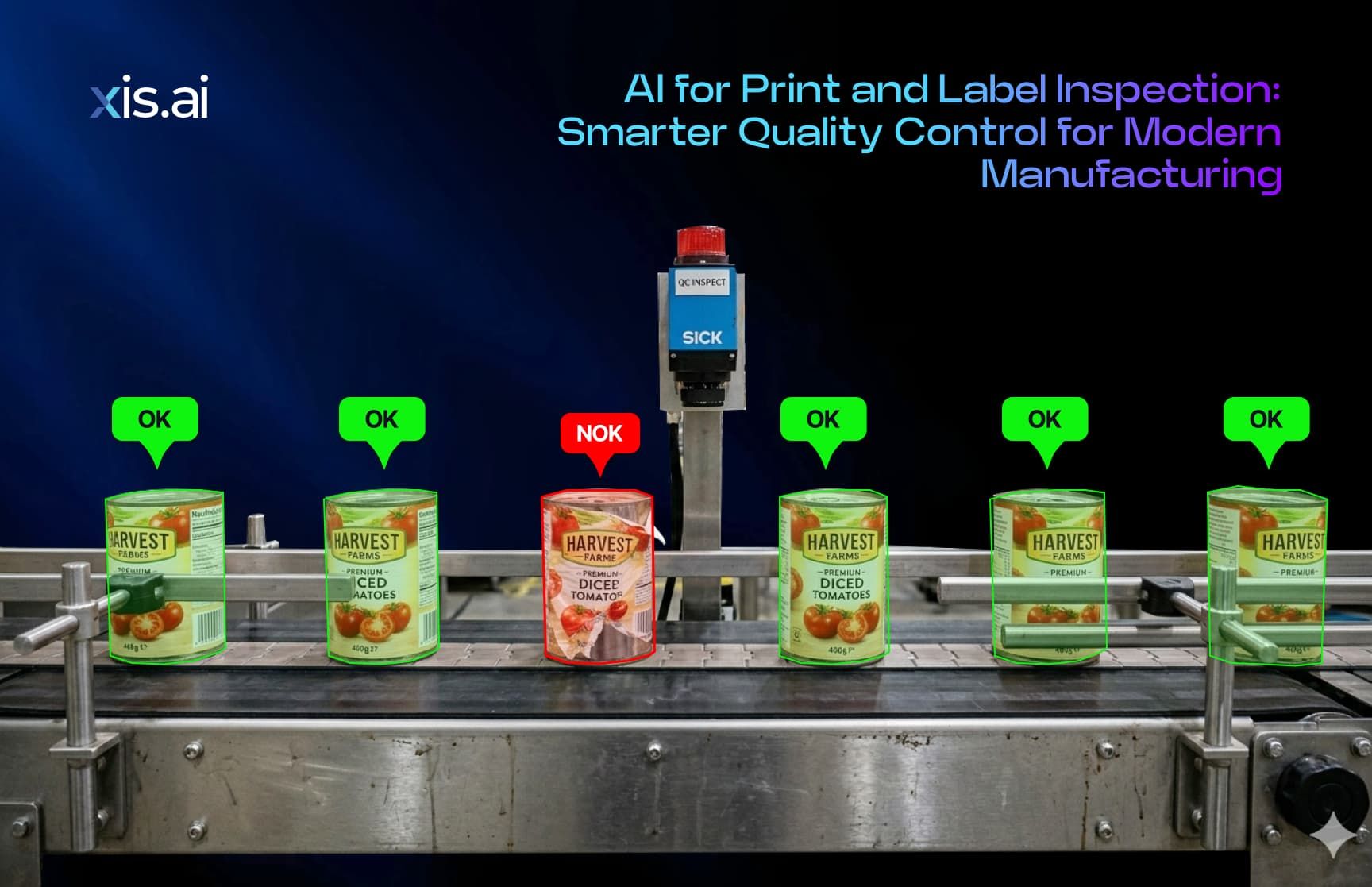
A print quality inspection system is no longer just a checkpoint at the end of a production line—it has evolved into a real-time decision-making engine. As packaging becomes more design-driven and regulations tighten, manufacturers need inspection systems that can think, learn, and adapt.
AI-powered inspection is transforming how print and label quality is managed, shifting the focus from defect detection to defect prevention.
Rethinking Print Quality Inspection Systems
A modern quality inspection printing system does more than compare images against a reference. It understands patterns, detects anomalies, and adapts to variations in print runs.
Unlike conventional systems that rely on rigid rules, AI introduces contextual awareness. This means the system can distinguish between acceptable variation and actual defects—something traditional vision systems often struggle with.
This shift is especially important in high-mix, low-volume production environments where designs frequently change.
The Hidden Cost of Print Defects
Print defects are not always obvious, but their impact is significant:
- Rejected batches increase material waste
- Brand inconsistency affects customer trust
- Regulatory non-compliance can lead to penalties
- Rework slows down production efficiency
Even minor issues like slight color deviation or label misplacement can escalate into costly problems at scale.
How Print Defect Detection AI Works
At the core of print defect detection AI is deep learning. Instead of being programmed with fixed rules, the system is trained using large datasets of defect-free and defective samples.
What Makes AI Different?
Pattern Recognition at Scale: AI models analyze thousands of features simultaneously, detecting defects invisible to the human eye.
Anomaly Detection: Rather than looking for predefined errors, AI identifies anything that deviates from the norm.
Self-Improving Systems: With continuous feedback, the system becomes more accurate over time, reducing false rejects.
Context Awareness: AI understands design elements, ensuring complex graphics and variable data are inspected accurately.
AI in Packaging Print Inspection Systems
A next-generation packaging print inspection system integrates AI with high-speed imaging hardware to deliver consistent results across large production volumes.
It enables manufacturers to handle multiple SKUs without constant recalibration while maintaining inspection accuracy at high speeds. Even intricate artwork and dense label information can be analyzed in real time, ensuring that every unit meets quality expectations.
This level of adaptability is essential in modern production environments where customization and rapid design changes are becoming the norm.
Precision Label Alignment Inspection with AI
Label placement errors are among the most frequent—and preventable—issues on packaging lines.
Label alignment inspection AI applies advanced computer vision models to verify that each label is correctly positioned, oriented, and applied under varying production conditions.
AI Detects:
- Angular misalignment and skew
- Offset positioning
- Wrinkling or trapped air bubbles
- Missing or partially applied labels
Unlike traditional systems, AI maintains accuracy even when dealing with different packaging shapes, reflective surfaces, or inconsistent lighting conditions.
From Quality Control to Quality Intelligence
AI doesn’t just detect defects—it creates a feedback loop across the production process.
Inspection data can reveal recurring issues, highlight inefficiencies, and provide insights that help refine printing and labeling operations. Over time, this leads to more stable processes and fewer disruptions.
As a result, the print quality inspection system becomes an integral part of continuous improvement rather than a standalone checkpoint.
The Road Ahead: Autonomous Inspection Systems
The next phase of innovation lies in autonomous inspection ecosystems. AI-powered systems will increasingly integrate with smart manufacturing environments, enabling real-time adjustments and predictive quality control.
Instead of reacting to defects, production lines will be able to anticipate and prevent them—reducing downtime and improving overall consistency.
As these capabilities mature, inspection will shift from being reactive to fully proactive.
Conclusion
AI is redefining how manufacturers approach quality, turning inspection into a continuous, intelligent process rather than a final checkpoint. A modern print quality inspection system now plays a critical role in ensuring consistency, reducing waste, and maintaining brand integrity in fast-paced production environments.
By combining advanced machine learning with real-time analysis, xis.ai enables manufacturers to move beyond traditional inspection limitations. From print defect detection AI to label alignment inspection AI, xis.ai delivers scalable solutions designed to handle complexity, variability, and high-speed production—helping businesses achieve reliable, data-driven quality control.
Frequently Asked Questions
1. What is a print quality inspection system?
A print quality inspection system is an automated solution that checks printed materials like labels and packaging for defects during production.
2. How does AI improve print defect detection?
AI improves detection by learning from data, identifying subtle defects, and adapting to new designs without requiring manual rule updates.
3. What types of defects can AI detect?
AI can detect smudges, color inconsistencies, missing text, barcode errors, and label misalignment with high precision.
4. How does label alignment inspection AI work?
It uses computer vision and deep learning to analyze label position, orientation, and placement accuracy in real time.
5. Can AI inspection systems adapt to new packaging designs?
Yes, AI systems can quickly adapt to new designs by learning from updated datasets, reducing the need for reprogramming.
Comment
0Comments
No comments yet.