Learn How AI Supports Sustainability in Manufacturing

Sustainable manufacturing is no longer optional. Manufacturers are under increasing pressure to reduce waste, lower emissions, and use resources more responsibly—without sacrificing productivity. Artificial Intelligence (AI) plays a central role in achieving this balance, and xis.ai is designed specifically to help manufacturers turn sustainability goals into actionable, measurable results.
By applying advanced AI to manufacturing data, xis.ai enables smarter decisions that directly contribute to environmental and operational sustainability.
Reducing Manufacturing Waste with xis.ai
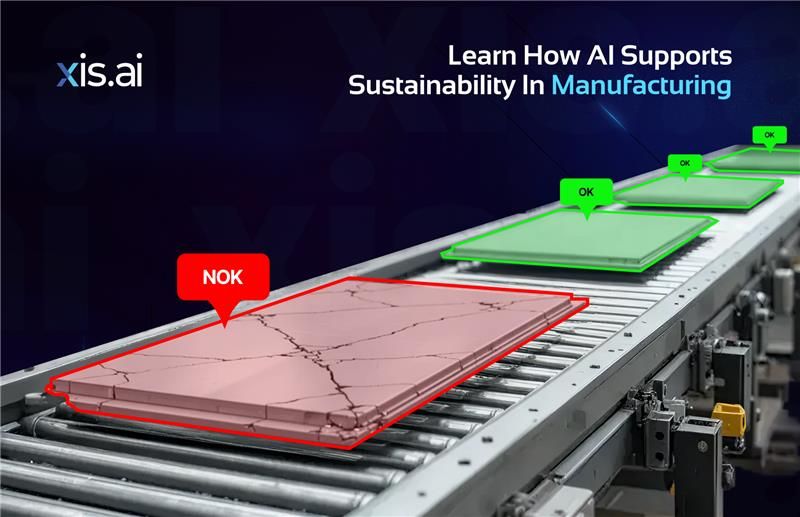
One of the biggest sustainability challenges in manufacturing is material waste caused by defects, inefficiencies, and unplanned downtime. xis.ai analyzes production data in real time to identify process deviations, quality risks, and performance gaps before they result in scrap or rework.
With AI-driven insights, manufacturers using xis.ai can proactively correct issues, improve first-pass yield, and significantly reduce material waste across production lines.
Optimizing Energy Consumption Using AI Insights
Energy-intensive operations are a major contributor to manufacturing emissions. xis.ai helps manufacturers optimize energy usage by continuously monitoring machine performance, production cycles, and operational conditions.
Instead of relying on periodic audits, xis.ai provides ongoing intelligence that highlights where energy is being overused and how processes can be optimized. This leads to lower energy consumption, reduced carbon footprint, and long-term cost savings.
Supporting Sustainable Supply Chain Decisions
Overproduction and inefficient inventory management are common causes of waste in manufacturing supply chains. xis.ai supports sustainability by enabling accurate demand forecasting and smarter production planning.
By using AI-powered analytics, manufacturers can align output with actual demand, reduce excess inventory, and minimize unnecessary transportation—helping to lower emissions and improve overall supply chain sustainability.
Enabling Data-Driven Circular Manufacturing
Circular manufacturing relies on understanding how materials flow through production and how they can be reused or recycled. xis.ai provides manufacturers with clear visibility into production data, enabling better tracking of materials, components, and process efficiency.
This data-driven approach supports circular manufacturing strategies by reducing raw material consumption and encouraging reuse and optimization rather than disposal.
Embedding Sustainability into Manufacturing Decisions
Sustainability is most effective when it is embedded into everyday decision-making. xis.ai integrates AI directly into manufacturing workflows, ensuring that sustainability considerations—such as waste reduction, energy efficiency, and resource optimization—are addressed continuously, not as an afterthought.
By transforming complex data into actionable intelligence, xis.ai empowers manufacturers to make smarter, more sustainable decisions at every stage of production.
Frequently Asked Questions
How does xis.ai support sustainability in manufacturing?
xis.ai uses AI-driven analytics to reduce waste, optimize energy usage, improve production efficiency, and support sustainable manufacturing practices based on real production data.
Can xis.ai help reduce material waste?
Yes. xis.ai identifies defects, inefficiencies, and performance deviations early, allowing manufacturers to take corrective action before waste is generated.
How does xis.ai contribute to energy efficiency?
xis.ai analyzes machine and process data to highlight energy inefficiencies and recommend optimized operating conditions, helping reduce energy consumption and emissions.
Is xis.ai suitable for manufacturers at different scales?
Yes. xis.ai is designed to scale across manufacturing environments, supporting sustainability initiatives for both small and large operations.
Does sustainability with xis.ai also improve profitability?
Absolutely. Reduced waste, optimized energy use, and improved efficiency directly translate into cost savings while supporting environmental goals.
Conclusion
AI is a powerful enabler of sustainable manufacturing, but its impact depends on how effectively it is applied. xis.ai bridges the gap between data and sustainability by delivering actionable AI insights that reduce waste, optimize energy usage, and improve decision-making. For manufacturers aiming to achieve real, measurable sustainability outcomes, xis.ai provides a practical and scalable path forward.
Comment
0Comments
No comments yet.