Centralized AI for Multi-Plant Quality Consistency

In modern manufacturing, maintaining consistent product quality across multiple plants is a persistent challenge. Variations in inspection processes, equipment calibration, and human oversight can lead to inconsistencies that impact efficiency, waste, and profitability. Centralized AI inspection systems, like those offered by xis.ai, are transforming the way companies standardize quality control across their production networks.
The Power of a Centralized AI Inspection System
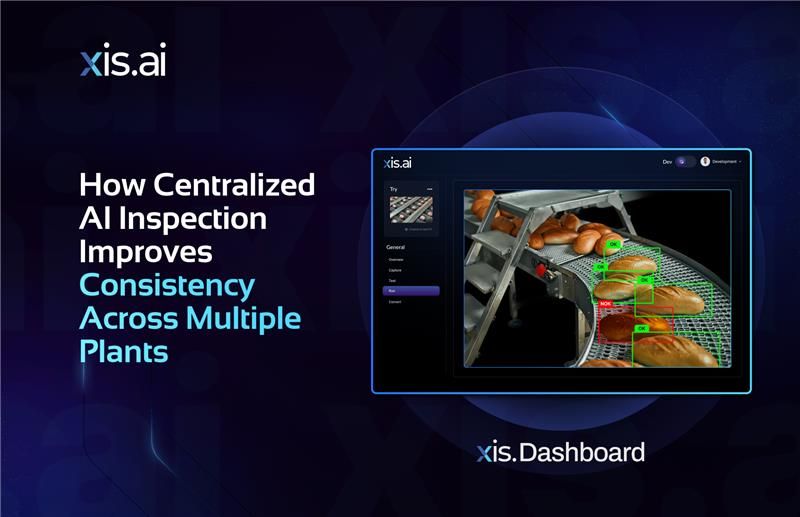
A centralized AI inspection system integrates data from multiple inspection points into a single, unified dashboard. The xis Dashboard, for example, allows operators to monitor several plants simultaneously, ensuring every unit meets the same high-quality standards. By connecting multiple inspection systems (#1 through #5 as seen in the xis.ai workflow), businesses can:
• Standardize inspection criteria across locations
• Detect defects in real time
• Implement corrective actions immediately
This centralized approach eliminates variations caused by manual inspections and ensures that quality decisions are consistent, whether the product is manufactured in Plant A, B, or C.
How Centralized AI Improves Consistency
- Real-Time Data Sharing
Traditional inspection processes often operate in isolation. With a centralized AI system, data from all plants flows into one hub. This allows managers to compare metrics across sites, spot trends, and replicate best practices. For instance, if one plant identifies a defect pattern, the AI can automatically alert other plants, preventing the issue from spreading.
- Enhanced Quality Control Across Locations
Centralized AI uses computer vision and machine learning algorithms to inspect every product with the same parameters. In the xis.ai example, the system can differentiate between “good” and “bad” bottles in real time, ensuring that only products meeting standards leave the production line. This consistency is critical for reducing waste and avoiding customer complaints.
- Scalable Insights for Multiple Plants
Companies can scale operations without compromising quality. The centralized dashboard tracks performance across inspection systems and provides actionable analytics to improve processes across all locations. This reduces human error, increases operational efficiency, and ensures that quality metrics are aligned across plants.
- Data-Driven Decision Making
With centralized AI, every plant operates under the same rules and algorithms. Insights from one plant can guide process adjustments elsewhere. This reduces variability, ensures consistent output, and allows managers to make informed, proactive decisions instead of reacting to defects after production.
Benefits of Centralized AI Inspection
By implementing a centralized AI inspection system like xis.ai, manufacturers can:
- Improve product quality across all plants
- Reduce waste by catching defects early
- Increase profits through efficient, standardized operations
- Enhance operational transparency with a unified dashboard
This combination of real-time monitoring, centralized analytics, and AI-driven inspection helps companies maintain high standards while scaling production efficiently.
Conclusion
Centralized AI inspection is no longer a futuristic concept; it’s a practical solution for manufacturers aiming to maintain consistency across multiple plants. By integrating multiple inspection systems into a single dashboard, companies can improve quality, reduce waste, and boost profitability—all while ensuring that every product meets the same high standard.
With tools like xis.ai, turning your factory network into a smart, consistent, and efficient ecosystem has never been easier.
Frequently Asked Questions
1. What is centralized AI inspection?
Centralized AI inspection is a system where inspection data from multiple plants or production lines is collected, analyzed, and monitored from a single dashboard. This ensures consistent quality standards across all locations.
2. How does centralized AI improve product consistency?
By standardizing inspection criteria and using AI algorithms to detect defects, the system ensures that all plants follow the same quality standards, reducing variability and errors.
3. Can centralized AI inspection reduce waste?
Yes. By identifying defects in real time, centralized AI prevents faulty products from progressing through production, minimizing material waste and rework.
4. Is it possible to monitor multiple plants simultaneously?
Absolutely. Dashboards like xis.ai consolidate inspection data from various sites, allowing managers to track performance, spot trends, and take corrective action across all plants.
5. Does centralized AI inspection improve profitability?
Yes. By reducing waste, improving quality, and streamlining operations, manufacturers can increase efficiency and profits while maintaining high standards across all production sites.
Comment
0Comments
No comments yet.